Agentic use case
Where Delivery Execution becomes governed execution.
It starts with someone trying to move delivery execution work forward while knowing that the next action may affect customers, colleagues, money, delivery, compliance or downstream systems.
What makes it harder in the real world: Delivery Execution work can cross teams, systems, customer impact, financial thresholds, policy checks, security boundaries and audit requirements. Without a governed path, people carry too much of that risk manually.
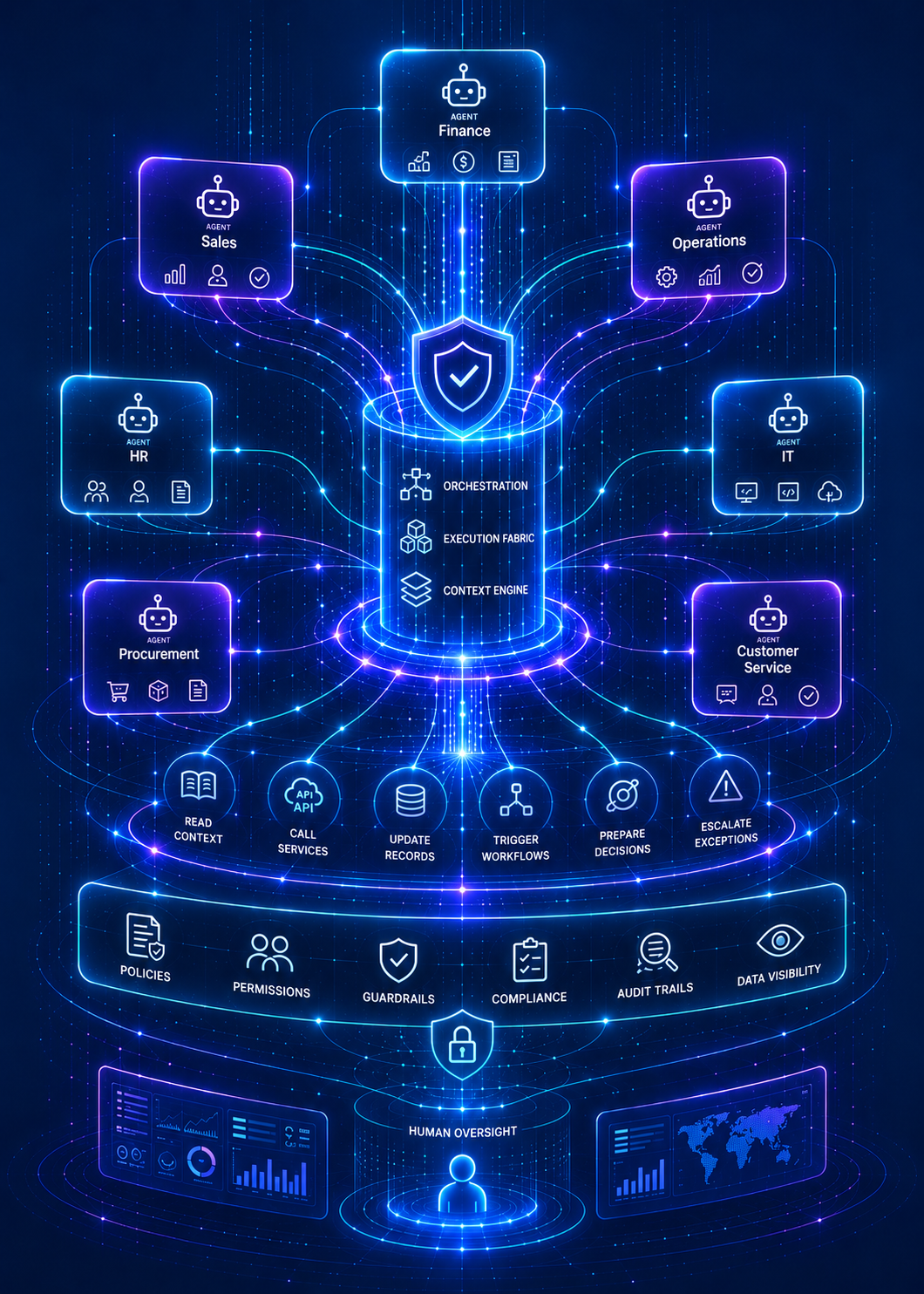
What Advanze changes: Delivery Execution becomes a governed execution path when work is classified, enriched with context, checked by specialist agents, routed through approvals and recorded with evidence.
Delivery Execution Intake AgentClassifies delivery execution work by intent, urgency, risk and required execution path.
Delivery Execution Context AgentGathers relevant records, policies, documents, messages, metrics and prior decisions.
Delivery Execution Processing AgentPrepares the recommended next action, update, workflow step or response.
Guardrail AgentChecks permissions, thresholds, policy exceptions, sensitive data and approval requirements.
Workflow Orchestration AgentRoutes approvals, coordinates handoffs, records evidence and updates systems after approval.
ChallengeDelivery Execution looks like one product area, but real execution depends on surrounding context, approvals, exceptions and system updates.
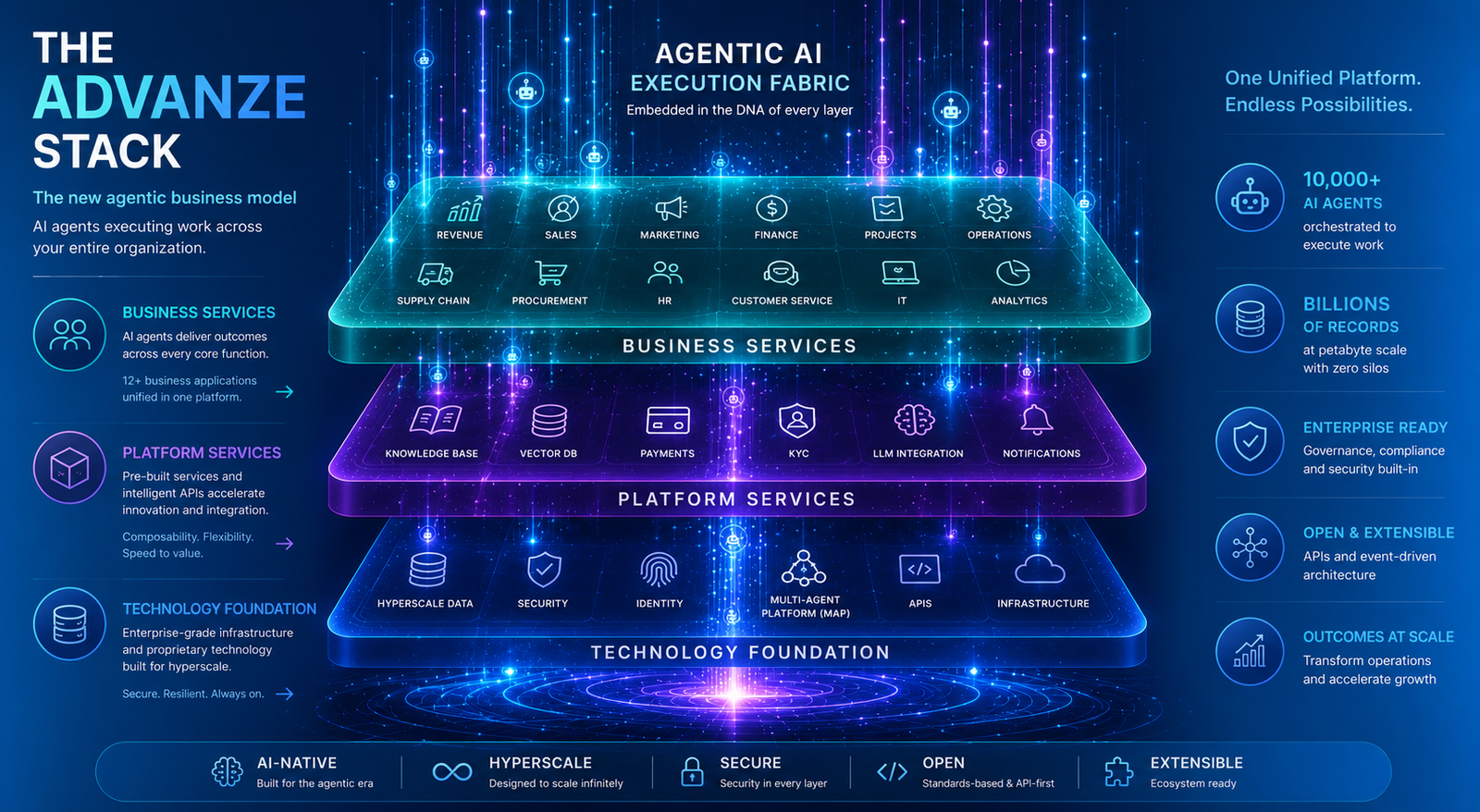
OrchestrationAdvanze treats Delivery Execution as part of the execution fabric: agents classify work, gather evidence, route guardrails and coordinate workflow before action is completed.
SuccessDelivery Execution becomes a controlled path from intent to outcome, with people directing judgement and the platform carrying context, evidence and accountability.
Why AI execution needs architecture
The work needs context, controls and clear permissions before automation can safely act.
Delivery Execution is strongest when it runs inside the Advanze control model: identity, permissions, data, workflow, policy, audit evidence and human judgement move together.
- The right context has to be assembled before work can safely move.
- Different actions require different permissions, approvals and audit evidence.
- Exceptions must be routed to the correct specialist path instead of handled informally.
- System updates need to be connected to workflow state, policy and human approval boundaries.